- #meta-ads
- #google-ads
- #paid-media
- #india
- #smb
Meta ads vs Google ads for Indian SMBs in 2026: budget split guide
When Meta wins vs Google for Indian small businesses — budget splits by stage, tracking requirements, and common failure modes on each platform.
Why this post: "Should I run Facebook or Google?" is the wrong question. The right question is which intent you're buying — and most growing Indian brands need both, in different ratios by stage.
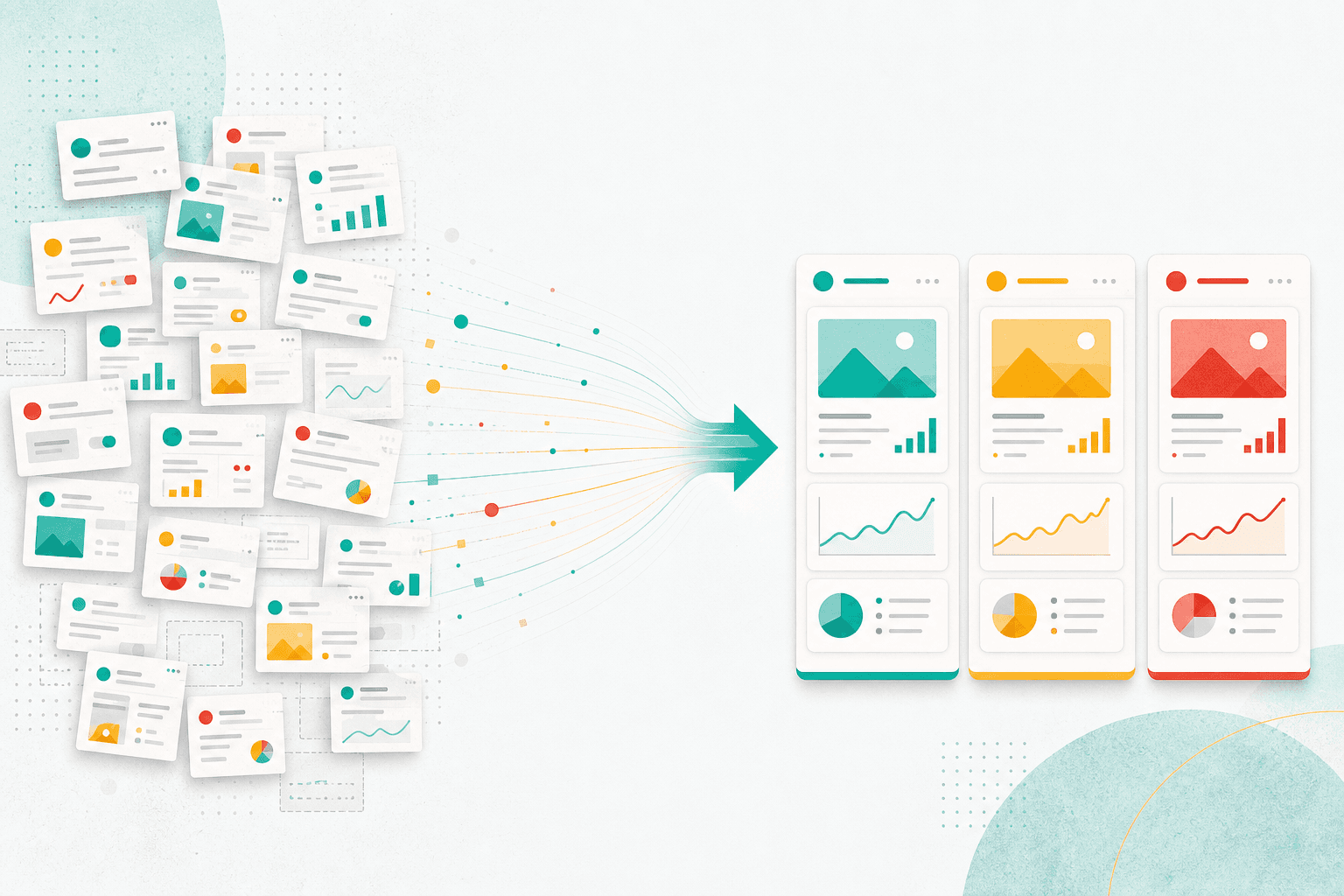
Meta and Google aren't interchangeable. Google captures existing demand (people searching for what you sell). Meta creates demand (people who didn't wake up looking for you). Indian SMBs often blow budget on one platform because an agency only sells one — then wonder why ROAS is flat.
The short version
- Google first if buyers search your category ("dentist near me", "SEO agency Noida", "CRM software").
- Meta first if the product is visual, impulse-friendly, or unknown category (D2C, new apps, local offers).
- Typical split (months 0–6): 60–70% on the platform matching your primary intent; rest for retargeting and tests.
- Both need clean conversion tracking — CAPI + offline import for Meta; GA4 + CRM for Google.
Side-by-side
| Dimension | Google Ads | Meta ads | | --- | --- | --- | | Intent | High — active search | Lower — interruption | | Best formats | Search, PMax (with guardrails) | Reels, carousel, UGC video | | Learning signal | Keywords + landing pages | Creative volume + CAPI | | Local services | Maps, call extensions | Geo radius + offers | | B2B | LinkedIn + Google Search | Retargeting, founder video | | Typical failure | All traffic → homepage | One ad creative for months |
Budget split by business stage
Stage 1 — Proving offer (₹30k–₹1L/month total ads)
- Local services: 70% Google Search/Local, 30% Meta retargeting + lookalikes.
- D2C new brand: 70% Meta testing creative, 30% Google brand + high-intent search.
- B2B services: 60% Google Search (problem keywords), 40% LinkedIn/Meta retarget.
Stage 2 — Scaling (₹1L–₹5L/month)
Rebalance monthly based on CRM-qualified leads, not platform ROAS alone. Kill channels that fill the pipeline with junk even if CPL looks cheap.
Stage 3 — Compounding (+ SEO)
Organic takes share from Google Search; Meta often stays primary for demand creation and retargeting. Don't turn off Google entirely — brand defence and competitor queries still matter.
Tracking non-negotiables
Meta: Pixel + Conversions API, deduplicated events, offline conversions for leads that close in CRM.
Google: GA4 linked, enhanced conversions, call tracking for phone-led businesses, offline import for qualified/demo/booking events.
If Meta and Google numbers disagree with Shopify or your CRM by >15%, fix tracking before scaling spend.
Common mistakes in India
- Running Meta lead forms without qualification — cheap CPL, useless pipeline.
- Google Search to generic homepage — pay for intent, waste it on generic UX.
- No Hindi/regional creative on Meta where queries are bilingual.
- PMax everything day one before Search foundations exist.
- Judging Meta on last-click ROAS when assisted conversions matter.
FAQ
Which is cheaper per lead?
Depends on category and offer. Local services often see cheaper qualified leads on Google. D2C prospecting is usually Meta-led. Compare cost per qualified lead, not CPL.
Can one agency run both?
Yes — ideally one team reconciling both to CRM. Split agencies often double-count wins and blame each other for leaks.
Minimum budget?
Enough weekly conversions for algorithms to learn — often ₹500–₹2,000/day combined for competitive categories. Below that, focus one platform sharply.
Related reading
- Google ads vs Meta ads (2026) — technical deep dive
- Meta ads agency India · PPC services India
- Meta ads service · Google ads service · Google Ads management India
- Free audit — we'll tell you which platform matches your stage before you commit budget.
Ship this on your account
Want us to run this playbook on your project?
Send a two-line brief. A senior strategist reviews personally and comes back within one working day with next steps, a realistic plan and a written proposal in 48 hours.